


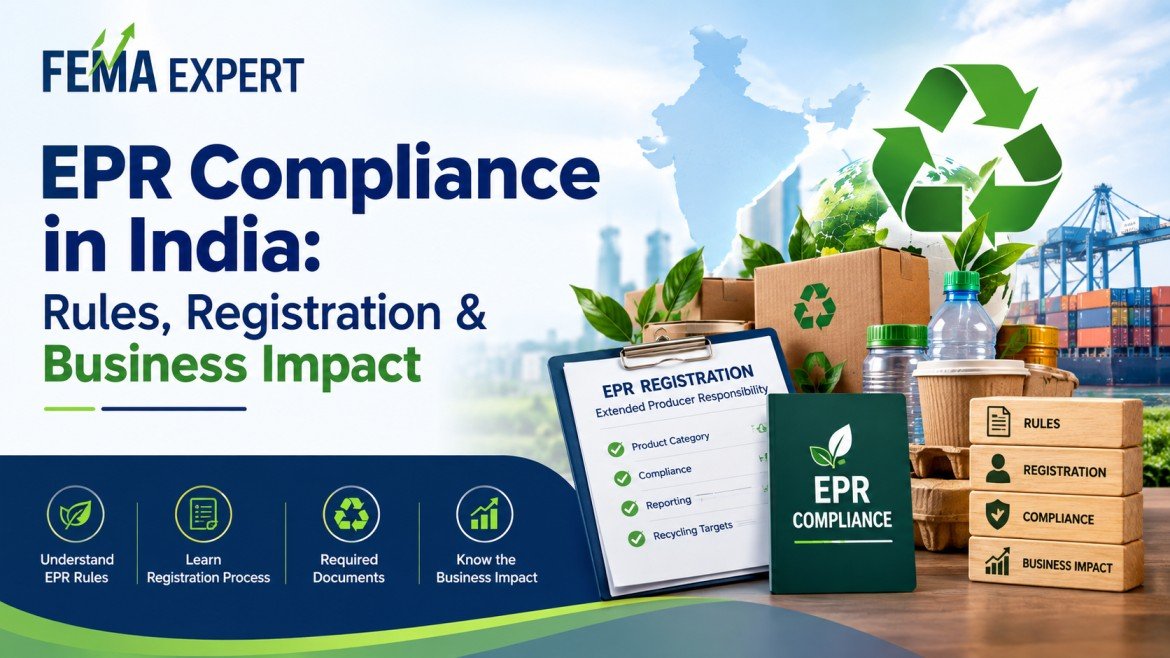
A manufacturer once got a legal notice out of nowhere. He’d never heard of EPR before that day. His electronics business had run for years. But no one had mentioned this rule to him. This happens more than people think. This guide explains EPR compliance, its purpose, and what Indian businesses must do about it.
Extended Producer Responsibility makes producers responsible for their product’s entire life. Not just making it. Also collecting it back. And disposing of it safely.
The idea is simple. Whoever makes a product should handle what happens to it after use. This pushes companies to design better, waste less, and think about disposal from day one.
Sweden introduced this idea back in 1990. The concept was new then. Producers had never been asked to think beyond the point of sale.
Europe picked it up fast. The EU built packaging rules around it. The UK set up a shared responsibility model. This spreads costs among manufacturers, retailers, and consumers. India joined this movement later, but the framework has grown quickly since.
This covers electronics. Producers of electrical and electronic equipment must manage what happens once these products reach end of life.
This targets plastic packaging. Companies using plastic packaging must ensure it gets collected and recycled properly.
Batteries contain hazardous materials. This rule makes producers responsible for safe collection and recycling.
This is newer. It brings construction and demolition waste under the same producer accountability model.
Vehicles eventually get scrapped. This rule places responsibility on manufacturers for that final stage too.
If your product eventually becomes waste, this rule likely applies to you.
Registration happens through the relevant pollution control board.
Here’s the general flow:
Non-compliance isn’t a small risk. Section 15 of the Environment Protection Act sets real consequences.
These penalties apply on top of any reputational damage a business might face.
Here’s something many business owners miss. EPR compliance now shows up during company sales and investment deals.
Buyers check EPR registration certificates. They review past compliance records. They look for pending fines or expired certifications. Poor EPR records can lower how much a business is worth in a deal.
Clean compliance, on the other hand, builds investor confidence. It’s becoming a real factor in valuations, not just an operational checkbox.
EPR compliance was once a niche topic. Now, it’s an important business issue. It affects legal standing, investor confidence, and company valuations alike. Businesses that know their obligations early avoid penalties. They also skip last-minute surprises.
1. What is EPR compliance?
It’s a system that makes producers accountable for their product’s entire lifecycle. This includes collecting and disposing of the product after use.
2. Which businesses need EPR registration in India?
Electronics manufacturers, plastic packaging makers, battery producers, and vehicle companies must comply. This also applies to certain construction waste generators.
3. What happens if a business violates EPR rules?
It can face imprisonment up to five years, fines up to Rs. 1 lakh, daily penalties for continued violations, and more environmental compensation charges.
4. Does EPR compliance affect business valuations?
Yes, investors increasingly review EPR records during due diligence, and poor compliance can lower a company’s valuation during a deal.
5. Where did EPR originate?
The concept began in Sweden in 1990. It then spread worldwide, reaching India, where it now includes many waste categories.
6. How does EPR registration work in India?
7. Is EPR compliance only about e-waste?
It also includes plastic packaging, batteries, construction and demolition waste, and end-of-life vehicles.
8. Can EPR compliance benefit a business beyond avoiding penalties?
Good compliance improves brand reputation. It builds customer trust. Plus, it strengthens a company’s position in investment or acquisition talks.